Zipper Knowledge
Learn zipper components, materials, structures, and sizes to align with production and inspection.
1. Basic Structure
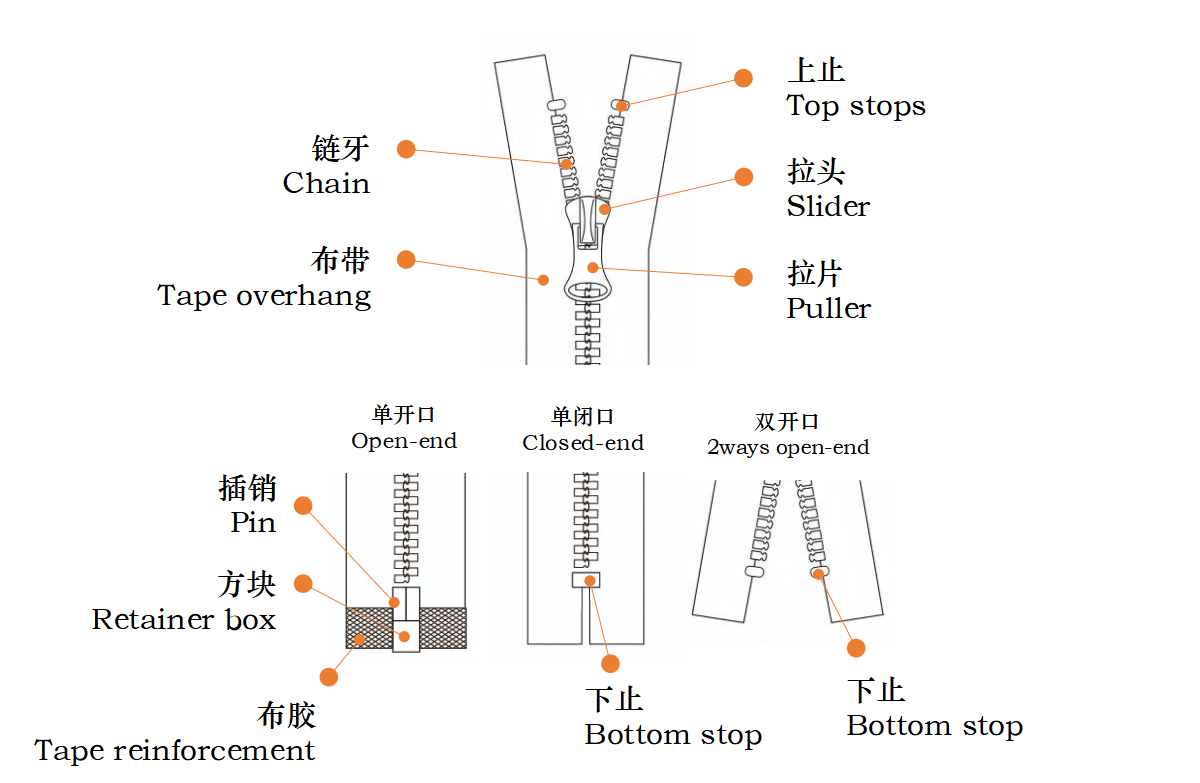
- Teeth
- Key for side strength; metal, resin, or nylon.
- Slider
- Slides to engage or separate teeth.
- Top / bottom stops
- Limit slider travel.
- Pin & box
- For separating open-end zippers.
- Tape
- Flexible tape carrying the teeth.
The slider engages teeth on both sides; reverse motion separates them.
2. By Material
| Type | Material | Applications | Pros | Cons |
|---|---|---|---|---|
| Nylon zipper | Coiled nylon monofilament teeth | Dresses, shirts, light apparel | Light, flexible, good concealment | Lower strength, wears faster |
| Resin (plastic) zipper | Injected polyester (e.g. POM) teeth | Pockets, hoodies, sportswear | Wear-resistant, colorful | Poor heat resistance above 150°C |
| Metal zipper | Brass, aluminum, nickel silver teeth | Denim, leather, workwear | Strong, durable, classic look | Higher cost; may oxidize |
Resin sits between nylon and metal in cost; metal needs moisture/acid protection.
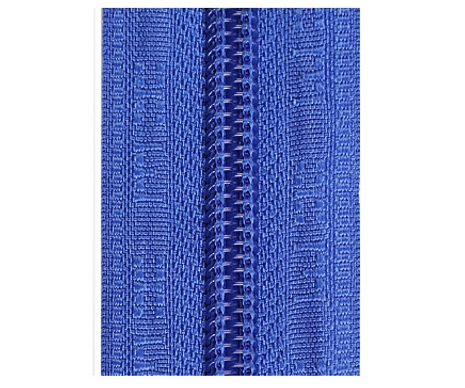
Nylon zipper
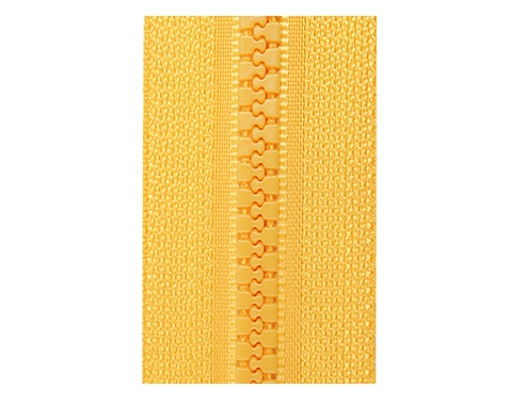
Resin (plastic) zipper
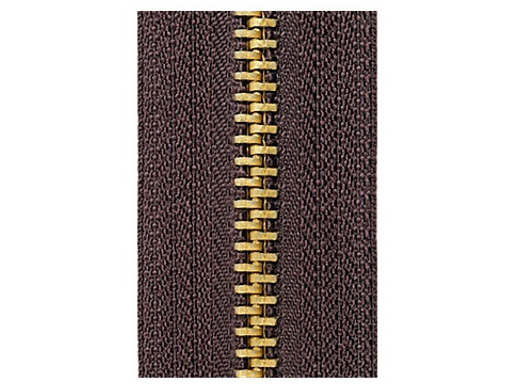
Metal zipper
3. By Structure
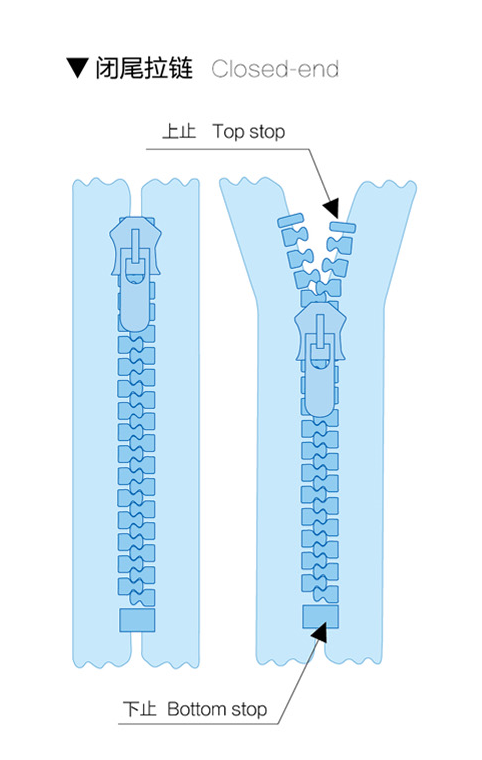
Closed-end
Fixed bottom; bags and pouches.
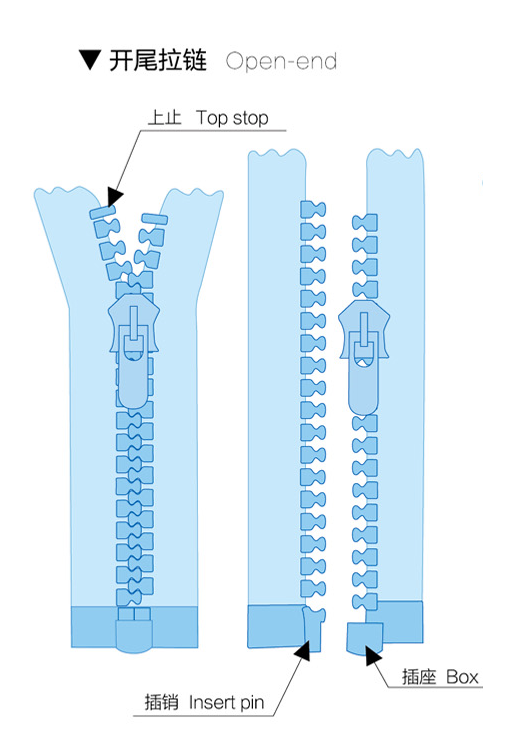
Open-end
Separates fully; jackets and coats.
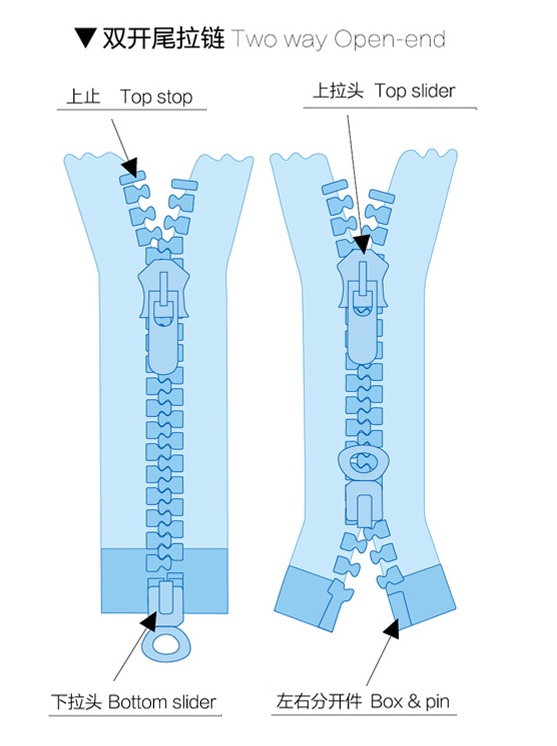
Two-way open-end
Two sliders; sleeping bags, long coats.
4. Sizes & Selection
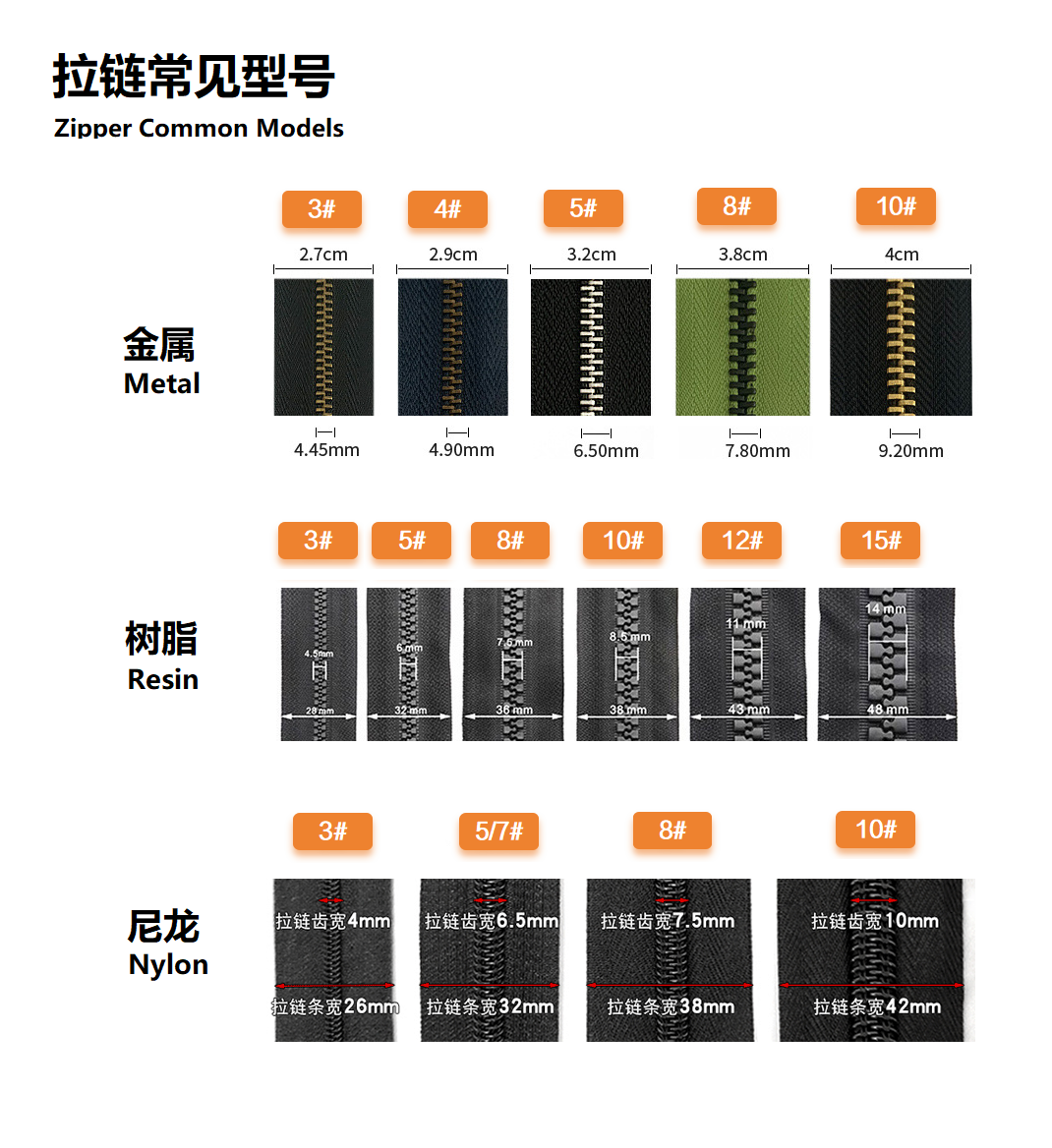
Size number is tooth width in mm (e.g. #2, #3, #5, #7, #8, #10).
#2–#4Light fabrics
#5General apparel
#7–#8Heavy coats
#10 and aboveIndustrial